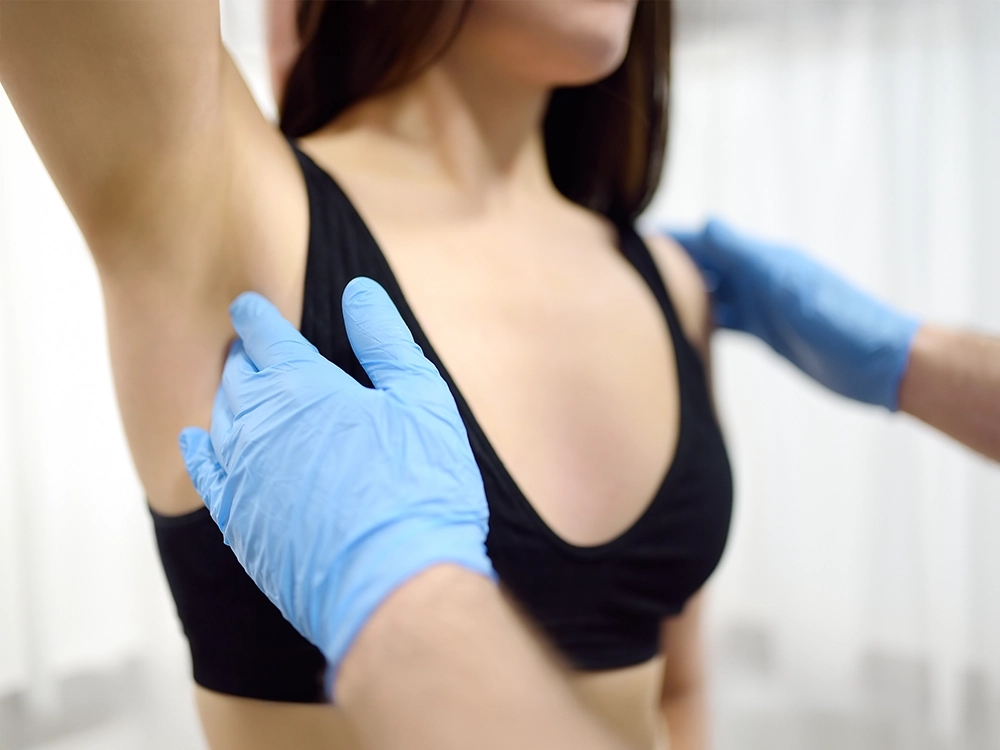
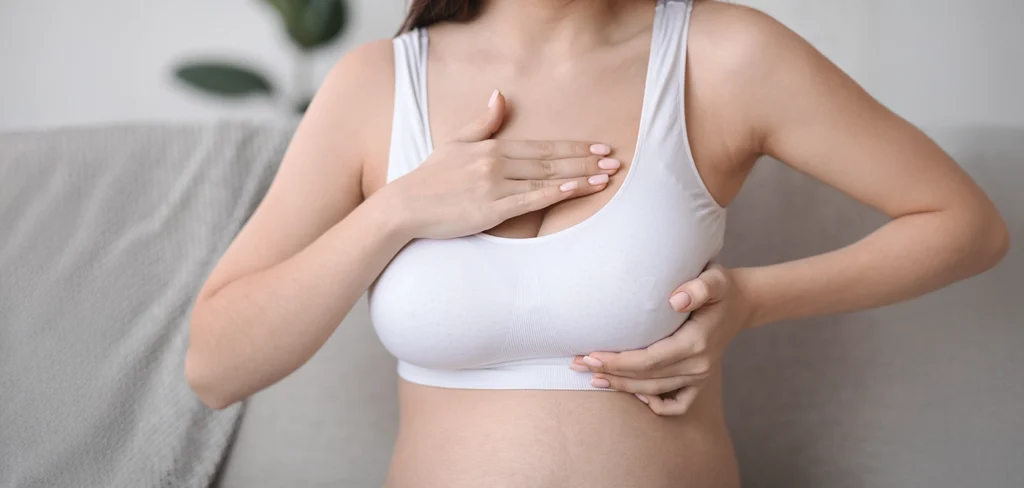
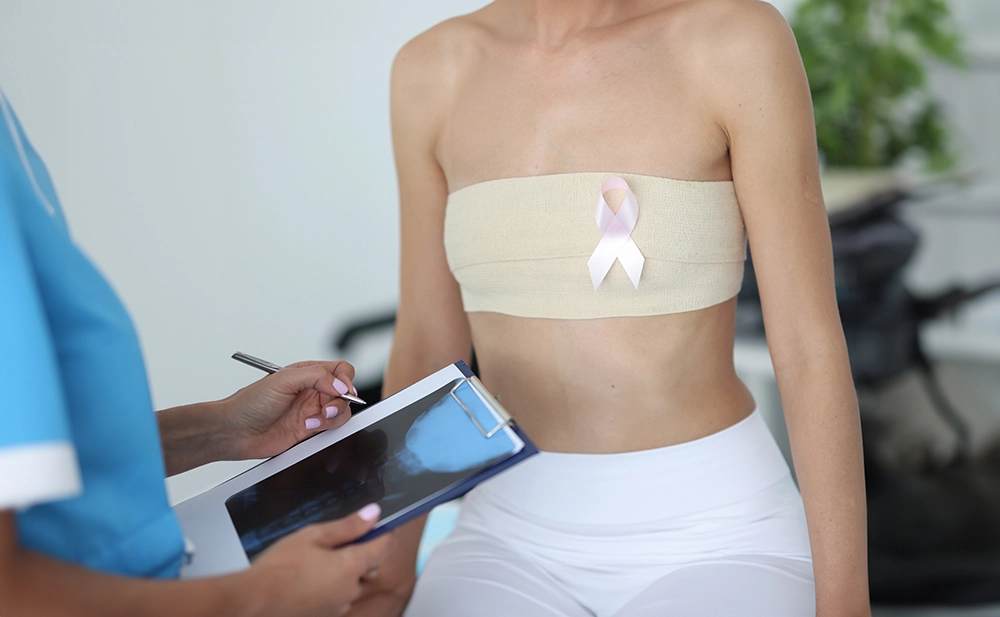
In the fight against breast cancer in Singapore, both medical professionals and health officials in the country could not emphasise enough the importance of detecting this dreaded disease at its early stage in order that immediate treatment can be done to obtain the best outcomes and survival rates. The key to early diagnosis and treatment is breast cancer screening.
Overview of Breast Cancer Screening
Based on a report from Singapore Cancer Registry from 2010 to 2014, the 5-year Age-Standardised Observed Survival of Female Breast Cancer by Age Group. The findings showed a significant increase in survival rates in women ages 15 to 54, which has been attributed to early diagnosis and treatment through awareness and availability of breast cancer screening. In contrast, there is a significant decline in survival rates especially in women aged 65 years old and above. In a Channel News Asia article last September 2016, it was revealed that only 38.9% of women aged 50 to 69 went for their regular mammogram. A possible cause for this is the cost of mammography, which will hopefully be improved with the July 2016 announcement of free breast cancer screening by the Singapore Cancer Society for eligible Singaporeans.
Benefits of Breast Cancer Screening
In general, the main benefit of breast cancer screening is the early detection of this dreaded disease. However, tests like mammograms are not perfect. It is possible to obtain false negative results. There is also the risk of overdiagnosis, wherein a tumour has been found on mammography but is of low-risk. And yet, because it was discovered on a mammogram, costly treatment is done when it is not necessary. The current guidelines on breast cancer screening depend upon the woman’s age and a breast cancer risk. Women who present with a strong familial history of breast cancer are required to begin routine screening at an earlier age.
Methods of Breast Cancer Screening
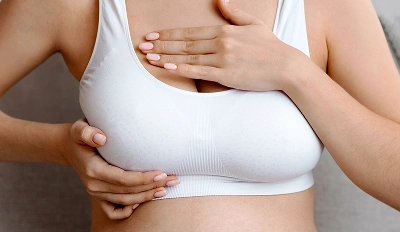
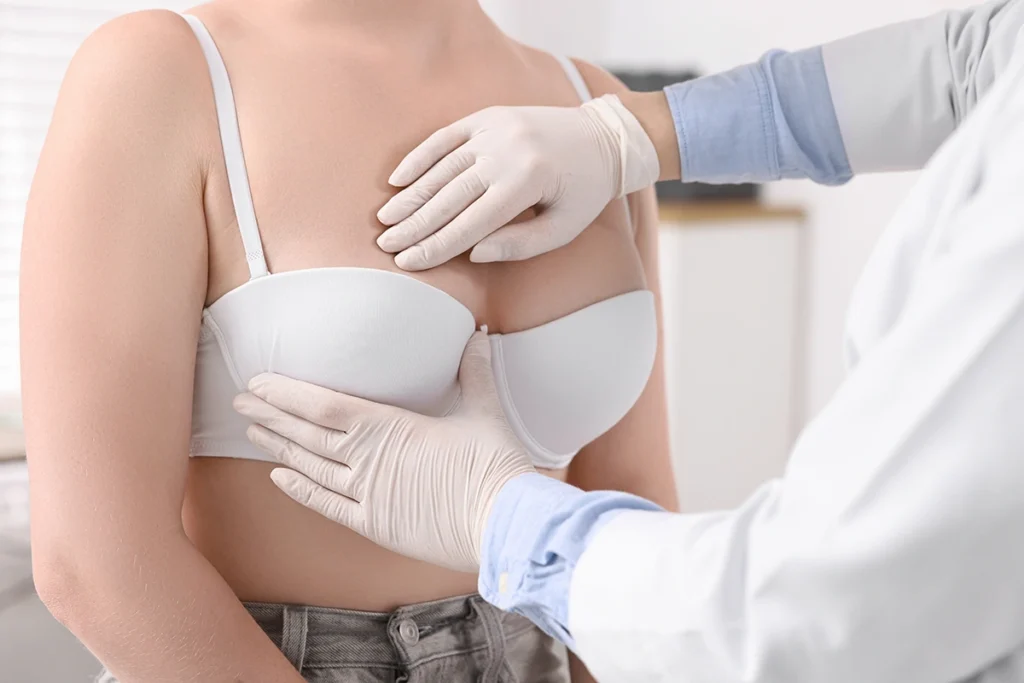
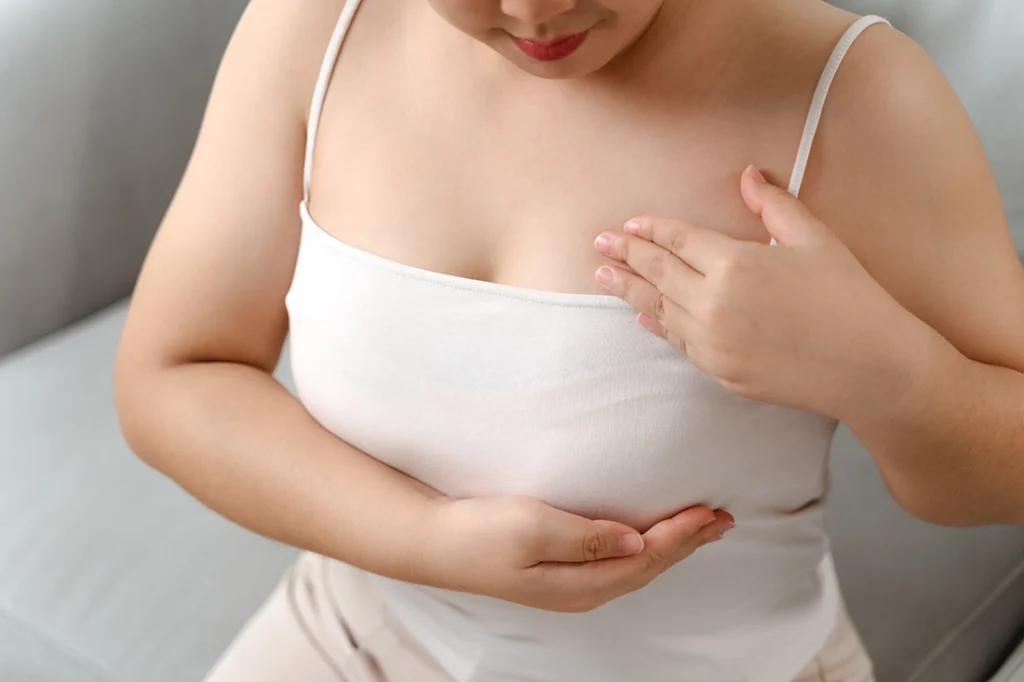
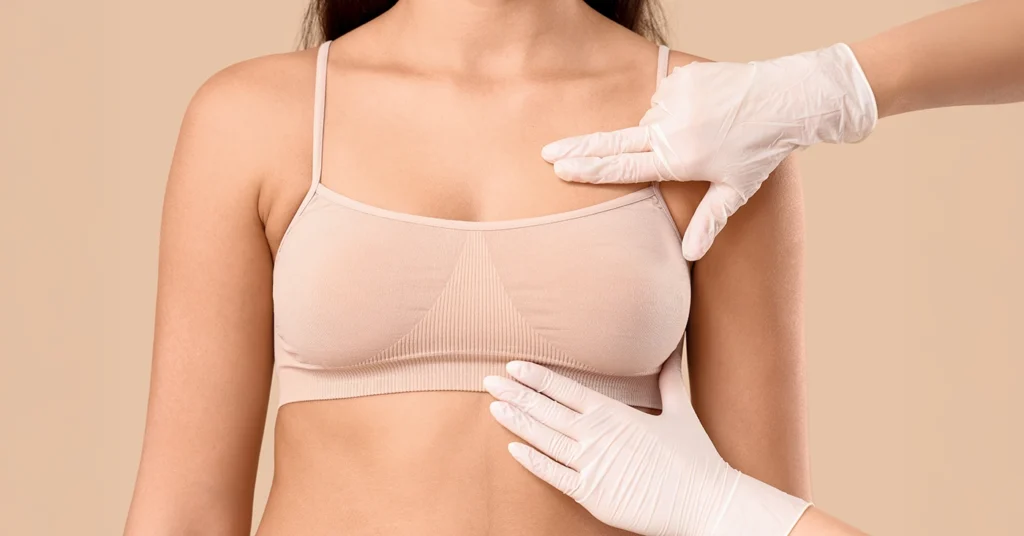
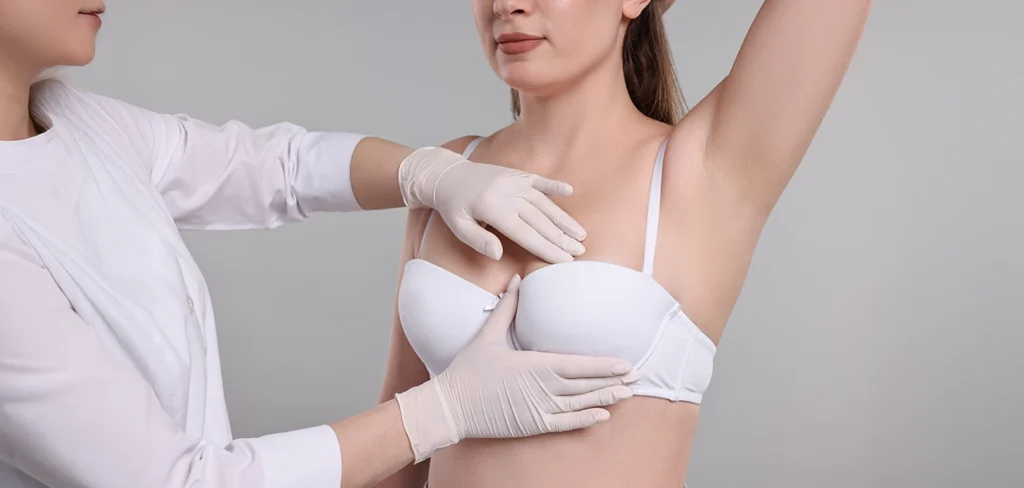
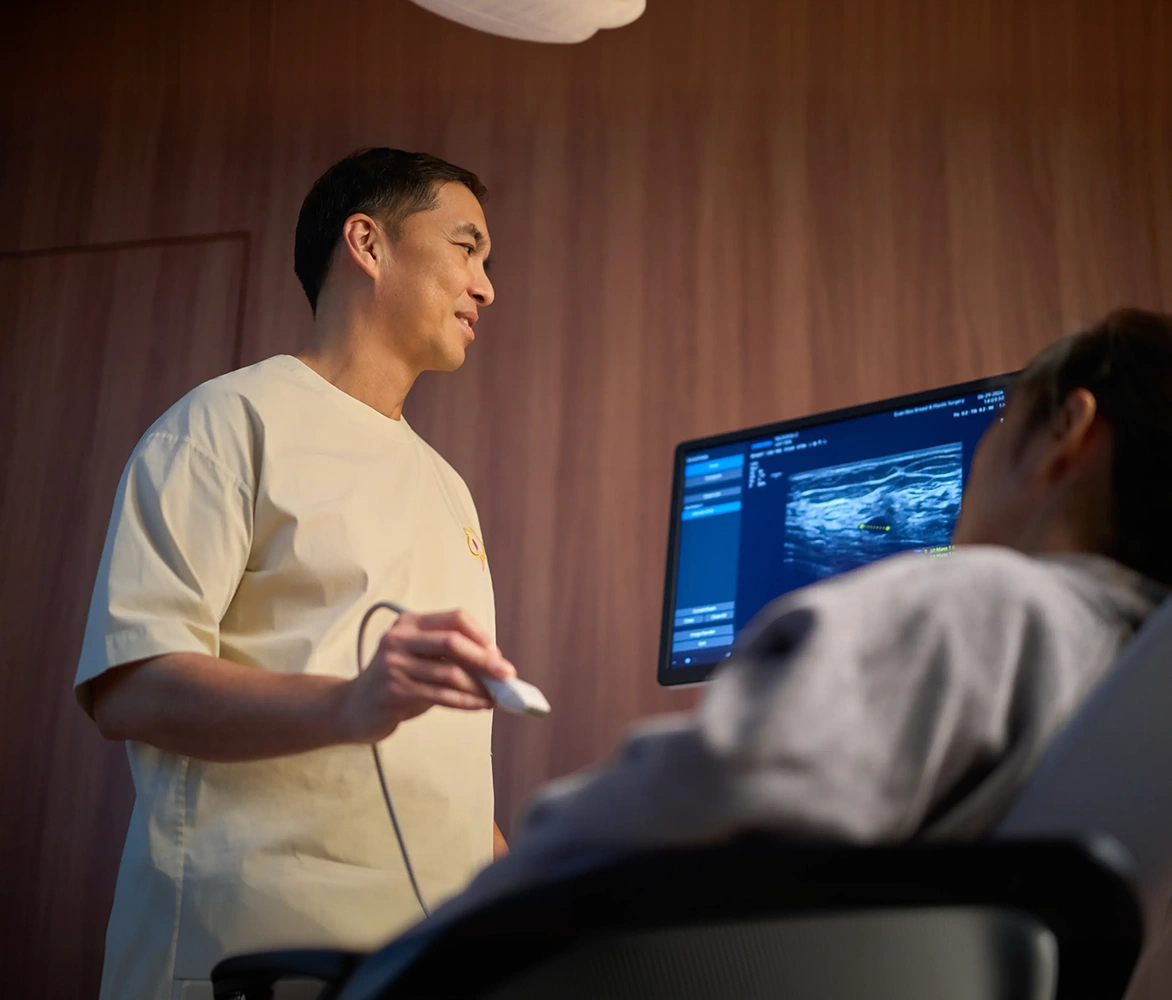
Before considering breast cancer treatment in Singapore, patients are advised to undergo regular breast cancer screening as early detection may improve treatment outcomes. Monthly breast self-examination is recommended for women from the age of 30. Mammography is considered one of the most reliable methods for detecting breast cancer, including cancers that may be too small to be felt as a lump.
Should you be screened for breast cancer? Early screening for breast cancer can detect cancer in its early stage for effective treatment. Women at high risk should consult their doctors regarding the frequency of the screening. Below are the recommended screening guidelines for healthy women:
Below are the recommended screening guidelines for healthy women:
Between 50 to 69 years: Go for a mammography once every two years
Between 40 to 49 years: Discuss with your doctor about the benefits, limitations and harms of mammography. If you decide to do it, have it done every year.
Under 40 years: No need for a mammography
Share this article
Experience You Can Rely On
Meet Our Doctor
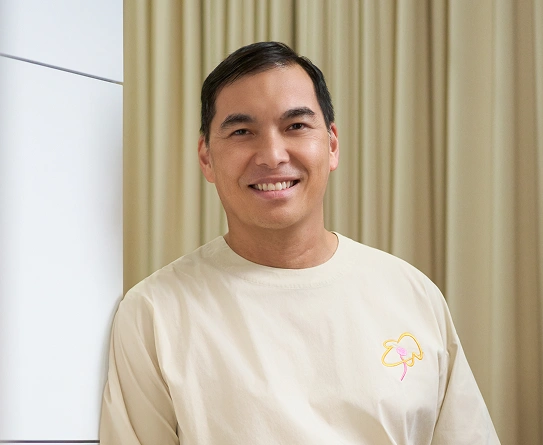
Dr Evan Woo
Senior Consultant Breast and Plastic Surgeon
Bachelor of Medicine, Bachelor of Surgery, National University of Singapore
Master of Medicine (Surgery), National University of Singapore
Member of the Royal College of Surgeons of Edinburgh
Fellow, Academy of Medicine, Singapore (Plastic Surgery)
Dr Evan Woo is a specialist plastic, reconstructive and breast surgeon with a focused practice spanning breast cancer surgery, breast reconstruction, aesthetic breast surgery and body contouring. With specialist training in Singapore and a Microsurgery Fellowship at the Nottingham Breast Institute in the United Kingdom, he takes a comprehensive approach that considers function, form and long-term outcomes across both reconstructive and aesthetic care.
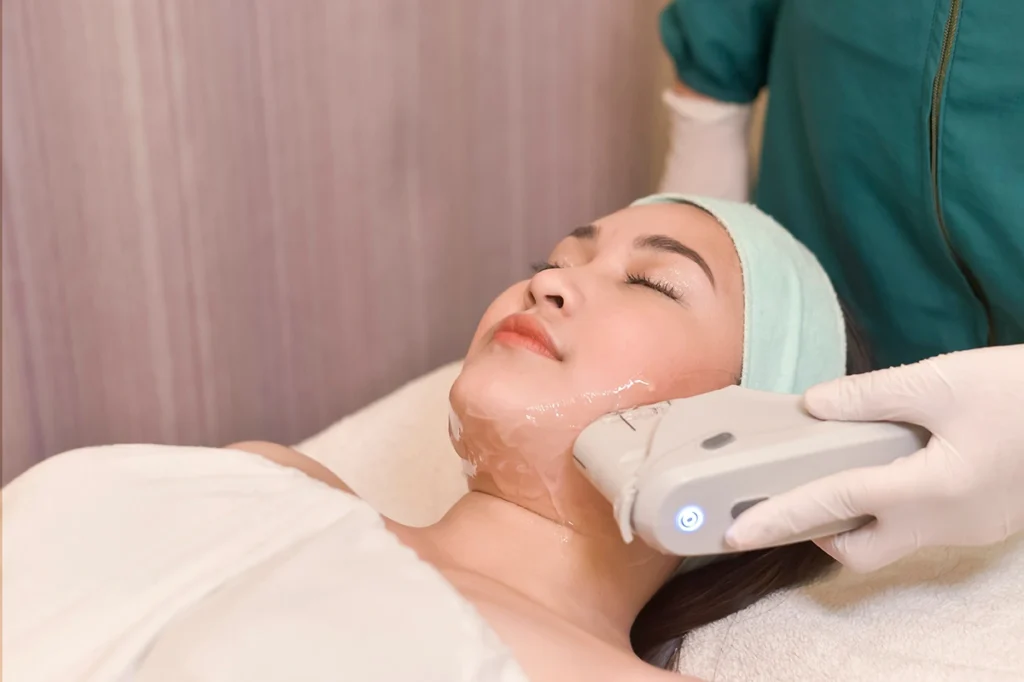
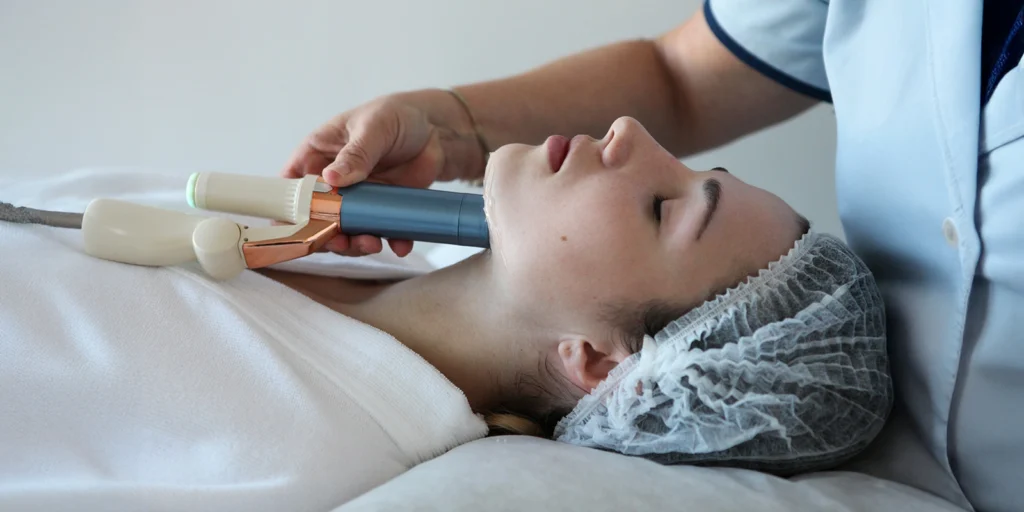
HIFU stands for “High-Intensity Focused Ultrasound” and is a relatively new cosmetic technology, having only been introduced for use in recent years. HIFU as a form of facial treatment employs the use of concentrated ultrasound energy to the face and neck by a handheld device. It is a non-invasive treatment that helps stimulate the cells, resulting in tissue rejuvenation and collagen production. The overall effect of the treatment is to promote tightening and lifting of the skin in these areas. HIFU treatment can help stimulate tissue rejuvenation and collagen production – resulting in the tightening and lifting of saggy skin – and can also be used to break down fat deposits. In the hands of a skilled practitioner, this can produce results akin to facial sculpting but without the need for surgery.
Should You Consider HIFU Treatment?
There are a number of indications for applying HIFU treatment for the face, which include the following…
Fine lines and wrinkles
Sagging skin along the cheeks and eyelids
Skin that is thin and with a texture like crepe paper
Drooping skin around the mouth area
Undefined jawline
As a skin rejuvenating procedure, HIFU can help women lift and tighten the neck, chin and brow, and improve lines and wrinkles on the chest.
The Procedure
There are no special preparations needed prior to the HIFU consultation and treatment. In the doctor’s office, the physician will take the patient’s complete medical history and perform a thorough physical examination, especially the face and neck. With the exception of a diagnosed skin infection or existing skin problem that would require treatment at a later date, the HIFU procedure can be performed immediately after the doctor’s interview.
Most HIFU treatments follow the same procedure outlined below:
Specially-trained nurses will perform a full facial cleansing and preparation for the patient.
The doctor applies ultrasound gel to the patient’s face and neck.
A hand HIFU device is glided over the patient’s skin. This delivers ultrasound energy to the skin, stimulating the skin cells to produce collagen and promote tissue healing, repair and rejuvenation.
Depending upon the patient’s skin condition, the physician adjusts the skin penetration depth setting of the hand piece As this procedure is being done, the patient may feel heat under the skin or a slight prickling. For an absolute pain-free experience, sedation can be performed by a qualified anaesthetist in the clinic.
Each HIFU treatment lasts between 30 and 60 minutes depending upon the severity of the skin problem.
After Treatment
Some patients have reported mild soreness, which typically resolves itself. In the presence of these symptoms, the doctor may prescribe pain medications. Some physicians will also prescribe special facial creams to protect the skin from the UV rays of the sun and other harmful factors in the environment. The patient does not need any downtime following HIFU treatment. She can immediately resume her daily activities. But again, she is required to apply sun protection creams to protect her skin. To get the best results, it is advised to have HIFU treatments done for four to six weeks, followed by maintenance sessions at three to four month intervals. Collagen production is expected to reach its optimum level at two to three months. It is during this period that a patient can already see her facial skin becoming younger-looking, healthier, softer, and supple.
Share this article
Experience You Can Rely On
Meet Our Doctor
Dr Evan Woo
Senior Consultant Breast and Plastic Surgeon
Bachelor of Medicine, Bachelor of Surgery, National University of Singapore
Master of Medicine (Surgery), National University of Singapore
Member of the Royal College of Surgeons of Edinburgh
Fellow, Academy of Medicine, Singapore (Plastic Surgery)
Dr Evan Woo is a specialist plastic, reconstructive and breast surgeon with a focused practice spanning breast cancer surgery, breast reconstruction, aesthetic breast surgery and body contouring. With specialist training in Singapore and a Microsurgery Fellowship at the Nottingham Breast Institute in the United Kingdom, he takes a comprehensive approach that considers function, form and long-term outcomes across both reconstructive and aesthetic care.
A mommy makeover procedure – also known as post-pregnancy surgery – is a combination of cosmetic procedures such as breast surgery, liposuction and abdominoplasty that are intended to correct and/or reverse changes in a woman’s body resulting from pregnancy. The main benefit that a mommy makeover provides is helping a woman restore her body to its original shape and beauty faster. The body changes that will benefit from a mommy makeover include the following:
Weight gain and fat deposition in the abdomen
Protruding abdomen that is also caused by the weakness and separation of abdominal muscles during pregnancy
Loose, sagging breasts
Skin changes, including melasma, spider veins, stretch marks, and acne
Mommy Makeovers are personalised according to the patient’s needs. Some of the procedures that go into a Mommy Makeover include:
Breast Rejuvenation
Breast rejuvenation refers to procedures that will restore the shape and youthful perk of the breasts following pregnancy. Some women will have these surgeries done as part of their Mommy Makeover package to improve the size and shape of their breasts, the appearance of which they are already unhappy with prior to getting pregnant.
The main breast enhancement procedures are:
Breast Lift (Mastopexy):
elevates drooping breast tissue to give the breasts a rounder, perkier appearance
Breast Reduction:
done on women with large breasts, this procedure involves removal of excess fat and glandular tissues, and tightening the skin of the breasts.
Breast Augmentation:
involves the placing of an implant to make the breasts rounder and fuller
Body Contouring
Body contouring involves altering the shape of a woman’s body after pregnancy. In general, this is accomplished by the removal of excess fat and skin in order to restore the body to its youthful, shapely appearance. In some cases, fat may be transferred to other parts of the body that are deemed deficient in appealing curves and contours.
The most popular Mommy Makeover body contouring procedures are:
Liposuction:
removal of excess fat deposits in the body using a suction device
Tummy Tuck (Abdominoplasty):
the procedure first involves the removal of excess fat in the abdomen (liposuction may be used). Excess skin is then excised and the remaining skin stretched over the abdomen in order to give it a smooth, flat appearance.
Fat Grafting:
involves harvesting fat tissues from one part of the body where there are excess fats and transferring it to another location in order to create better volume, curves and contours
Laser Treatment
Laser treatments are performed in order to treat skin blemishes that have developed during and still persist after pregnancy.
These procedures include:
Scar Management:
Involves laser, corticosteroid, and other treatments to manage scars resulting from a caesarean section and/or a Mommy Makeover plastic surgery, like the tummy tuck
Pigmentation Management:
Involves laser or intense pulsed light treatments to remove facial blemishes, such as melasma, otherwise known as “the mask of pregnancy”
Skin Rejuvenation:
Also known as laser resurfacing, this involves the correction of skin problems arising from hormonal changes in pregnancy. Skin conditions that will benefit from this procedure include acne, spider veins, and scars.
Stretch Marks
There are a variety of treatment modalities to improve the appearance of stretch marks. With Dr Woo’s years of experience consulting in KK Women’s and Children’s Hospital – the largest maternity hospital in Singapore – he is able to offer a full range of non-invasive and minimally-invasive treatments for patients.
The Procedure
A Mommy Makeover is a highly niche area in plastic surgery. As such, it is important to approach a Ministry of Health (MOH) certified plastic surgeon, who has experience in this area. Once a patient has found her plastic surgeon of choice, the first consultation will include a thorough medical history and physical examination. Based on his/her findings, the doctor will recommend the best combination of treatments for the Mommy Makeover package. Some plastic surgeons may have the latest in 3D imaging software which allows them to show patients a computer produced image of how their body would look following treatment. Here at Evan Woo Breast and Plastic Surgery, we offer Crisalix, which is the world’s leading virtual reality 4D and 3D plastic surgery imaging & business solution, providing simulations for plastic procedures such as breast augmentations. Dr Woo works closely with nutrition and physical training consultants to ensure that patients are in optimum condition for their Mommy Makeover surgery.
Recovery Process
Immediately after surgery, a drain will be placed to remove blood and other fluids. Women should expect a downtime of up to two weeks. In this first week, the area may be painful, sore and tender, gradually decreasing as each day passes. Adequate analgesia will be given for maximum patient comfort. Aside from surgical wound and drain care, the patient may be given antibiotics to prevent the development of infection. Arm exercises and stretching will be taught to improve mobility and function. Heavy lifting and strenuous physical activities are prohibited during the first two weeks after surgery. Most patients are able to return to work within two weeks. Routine follow ups will be scheduled to check on the progress of healing. Therapy will be initiated to optimise the scar outcome.
Share this article
Experience You Can Rely On
Meet Our Doctor
Dr Evan Woo
Senior Consultant Breast and Plastic Surgeon
Bachelor of Medicine, Bachelor of Surgery, National University of Singapore
Master of Medicine (Surgery), National University of Singapore
Member of the Royal College of Surgeons of Edinburgh
Fellow, Academy of Medicine, Singapore (Plastic Surgery)
Dr Evan Woo is a specialist plastic, reconstructive and breast surgeon with a focused practice spanning breast cancer surgery, breast reconstruction, aesthetic breast surgery and body contouring. With specialist training in Singapore and a Microsurgery Fellowship at the Nottingham Breast Institute in the United Kingdom, he takes a comprehensive approach that considers function, form and long-term outcomes across both reconstructive and aesthetic care.
Understanding the Procedure, Expected Results and Recovery Process
Abdominoplasty or tummy tuck, as it is more popularly known, is an aesthetic or plastic surgery that involves removal of excess fat and skin and restoring and strengthening weak or separated muscles in the abdomen. The result is an abdomen that is firmer, flatter, smoother and more well-toned. In a global survey conducted by the International Society of Aesthetic Plastic Surgery (ISAPS), the tummy tuck is ranked as the No. 1 Body and Extremities Surgical Procedure and the No. 6 Overall Worldwide Surgical Procedure for 2015. In fact, the number of procedures performed has increased by 11 percent from the year 2014. Although the demand for abdominoplasty is largely for cosmetic reasons, some women go through this surgical procedure to treat certain medical conditions. Among the medical benefits that can be derived from the tummy tuck procedure are the following:
Reduction and/or treatment of Stress Urinary Incontinence
Improvement of abdominal muscle tone following multiple pregnancies or extreme weight loss
Improvement of posture in patients with lordosis or “sway back”
Repair of ventral hernia
Is A Tummy Tuck Right For Me?
The decision to undergo tummy tuck surgery is not something to be made on a whim. In fact, no plastic surgeon will perform the procedure without first determining if the patient is a good candidate.
The qualities of a good candidate for abdominoplasty are women who:
Are physically healthy and is able to maintain a stable weight; a woman who eats healthily and exercises regularly will be able to maintain the results of the surgical procedure
Do not smoke; poor healing following surgery is attributed to smoking habits
Are discontent with appearance of their abdomen, but are unaware of potential risks of surgery procedure
Have realistic expectations of the results of the procedure; having underlying psychological issues that cause poor body image can cause unhappiness with the results.
In the same vein, women must also know how to choose the right tummy tuck surgeon.
The qualities that every woman should look for in an abdominoplasty surgeon are
Plastic surgeon accredited by the Ministry of Health (Singapore)
Is updated on the latest surgical techniques — women should inquire with respective societies on the Continuing Medical Education credits that the doctor has acquired in the fields of Plastic Surgery and/or Aesthetic Medicine.
Experience in performing tummy tuck surgery
How comfortable the patient is with her doctor
It is highly advised that women not only jot down a list of questions about the procedure itself, but also any queries she may have on the doctor’s expertise. Women should also keep in mind that tummy tuck surgery is an expensive procedure that is not covered by insurance. It must also be pointed out that a tummy tuck procedure is not recommended if a woman still wants to have more children or is unable to maintain her weight and is prone to weight gains. Prior to the surgery, the doctor will take the patient’s complete medical history, do a thorough physical exam, and order certain lab tests to determine her health status. Patients may be asked to quit smoking, alcohol drinking and/or intake of recreational drugs. Patients who are under certain medications, vitamins and herbal supplements may be requested to discontinue intake. For those with existing weight problems, she may be placed first on a diet and/or exercise programme prior to surgery.
Types of Abdominoplasty Surgery
The type of tummy tuck surgery to be performed on a patient will depend upon the condition of her abdomen. In some cases wherein there is an abdominal hernia, hernia repair may also be combined with the abdominoplasty. Tummy tuck surgeries are classified according to the incision that will be done. The types of abdominoplasty are as follows:
Classic/Conventional Abdominoplasty
A horizontal incision is made just above the pubic hairline from hip bone to hip bone
Mini Abdominoplasty/Mini Tuck
Involves short incisions made below the belly button
Fleur De Lis Abdominoplasty
A variation of the classic tummy tuck wherein a horizontal incision is still made above the pubic hairline from one hip bone to the other, but an additional vertical incision is made going down to the midsection.
Belt Abdominoplasty
Aside from the incision of a classic tummy tuck, a circumferential incision is made slightly above the belly button, encircling the entire torso.
Endoscopic Abdominoplasty
Short caesarean section-type incisions are made in the abdomen and an endoscope is used to tighten the skin.
In all these procedures, excess fats are removed beneath the skin. In some cases, liposuction is also done. Once the fats are gone, excess skin is cut away and the remaining skin is pulled down tightly over the abdomen.
What Results Can I Expect?
Immediately after the procedure, the patient may feel some soreness or tenderness in the abdomen, which can be alleviated by pain medications. Antibiotics and instructions on proper surgical wound care are given in order to prevent infection. Aside from dressings on the operative site, a drain with a bulb is inserted into the incision so that the patient can remove blood and excess fluids by squeezing the bulb. This drain will be removed in 3 to 14 days. To maintain the shape of the abdomen, provide support to the tightening skin, and reduce swelling, the woman is required to wear a compression garment. Women who undergo abdominoplasty initially notice sensations of tightening in their abdominal skin. Once the swelling subsides, the patient will observe gradual improvement in the appearance of their abdomen as they heal from the surgery. Achievement of complete healing and recovery is a delight to most women when they see their belly flat and well-toned and they are able to wear their favourite swimwear again.
What Is The Abdominoplasty Recovery Process Like?
Full recovery from the surgery may take six months or more, depending upon the health of the patient. In the early weeks after surgery, women are not advised to lift heavy objects. Because of the pain, mobility may be limited to careful, shuffling walks (to prevent blood clots in the legs). Strenuous physical activities are restricted for three months to prevent strain on the abdominal muscles. Doctors always emphasise the need for their patients to wear an abdominal binder or compression garment for six weeks or more after surgery. Not only will the binder minimise discomforts, it will also aid in maintaining the shape of the abdomen and the tightness of the abdominal skin. While some doctors claim that the flat abdomen obtained from tummy tuck surgery is permanent, it is important that a healthy diet and regular exercise be observed in order to maintain the figure.
Share this article
Experience You Can Rely On
Meet Our Doctor
Dr Evan Woo
Senior Consultant Breast and Plastic Surgeon
Bachelor of Medicine, Bachelor of Surgery, National University of Singapore
Master of Medicine (Surgery), National University of Singapore
Member of the Royal College of Surgeons of Edinburgh
Fellow, Academy of Medicine, Singapore (Plastic Surgery)
Dr Evan Woo is a specialist plastic, reconstructive and breast surgeon with a focused practice spanning breast cancer surgery, breast reconstruction, aesthetic breast surgery and body contouring. With specialist training in Singapore and a Microsurgery Fellowship at the Nottingham Breast Institute in the United Kingdom, he takes a comprehensive approach that considers function, form and long-term outcomes across both reconstructive and aesthetic care.
According to World Cancer Research Fund International, breast cancer is the leading cancer in women throughout the world, with almost 1.7 million new cases diagnosed in the year 2012. Unfortunately, Singapore is not spared from this dreaded disease.
How Common is Breast Cancer in Singapore?
Based on a HPB report in 2015, breast cancer is listed in Singapore as the No. 1 Most Frequent Cancer in females. From the period of 2010 to 2014, 9,274 cases were diagnosed (accounting for 29.2% of all cancers that afflict women). The current estimate is that one in 15 women will develop breast cancer before they reach the age of 75. Breast cancer is also the No. 1 Most Frequent Cancer Death among Singaporean women at 17.6% compared to other cancers. Majority of the above cases were in Stages I and II. The greatest number of Stages I and II cases were found in the 55 to 64 age group. An increase in the age-specific incidence rate was noted from age 30 to 39. This was followed by a peak in the 60 to 69 age group. After age 70, there is an observed decline in the number of breast cancer cases.
Breast Cancer Survival and Mortality Rates in Singapore
Because diagnosis of breast cancer was done in these early stages, a major increase in the survival rates was observed from the periods of 2005-2009 to 2010-2014. This improvement in survival rates can be attributed to advancements in breast cancer treatment, Singapore being one of the leaders in cancer research and treatment in Asia. However, in women with Stage IV breast cancer, a marked decrease in survival rate was noted. According to the data on age-standardized mortality rate, breast cancer remains the No. 1 cause of death among all cancers found in women. During the period of 2010-2014, 2,049 women died from breast cancer. However, the age-standardized mortality rate has remained stable since 1990, with no significant increases or decreases noted.
The report also stated observed trends in relation to ethnicity. Overall, it is ranked No. 1 Most Frequent Cancer by ethnicity. Chinese female residents have the highest incidence at 65.9%. They are followed by Malay female residents at 60.3%. Indian female residents account for 59.3% of cases. These figures indicate that Chinese women have a higher risk of developing breast cancer compared to women in other ethnic groups. However, the reverse is seen when it comes to survival rates. Chinese women have the highest rate of survival at 72.71% in 2010 to 2014, while Indian women are at 66.28% and Malay women are at 53.81%. Survival rates by age group showed highest among women age 15 to 44. This figure gradually declines up to the 65 to 74 age group from 86.45% to 81.74%. But once a woman is 75 years old and older, her survival rate drops significantly to 54.71%. While all of these figures show a positive trend of improving survival rates due to early diagnosis, there is still much that needs to be done to lower mortality rates among breast cancer patients in Singapore.
Share this article
Experience You Can Rely On
Meet Our Doctor
Dr Evan Woo
Senior Consultant Breast and Plastic Surgeon
Bachelor of Medicine, Bachelor of Surgery, National University of Singapore
Master of Medicine (Surgery), National University of Singapore
Member of the Royal College of Surgeons of Edinburgh
Fellow, Academy of Medicine, Singapore (Plastic Surgery)
Dr Evan Woo is a specialist plastic, reconstructive and breast surgeon with a focused practice spanning breast cancer surgery, breast reconstruction, aesthetic breast surgery and body contouring. With specialist training in Singapore and a Microsurgery Fellowship at the Nottingham Breast Institute in the United Kingdom, he takes a comprehensive approach that considers function, form and long-term outcomes across both reconstructive and aesthetic care.
Breast Reconstruction: Why Planning For it Is Important During Breast Cancer Treatment
Breast reconstruction is a surgical procedure that restores the look and shape of the breast after mastectomy. Oncoplastic surgery is a subset of this surgery, which is performed after a lumpectomy to restore the look and shape of the breast. There are two main breast reconstruction techniques:
Implant Reconstruction: This procedure rebuilds the affected breast through the insertion of a breast implant that may contain silicone gel, saline or a combination of the two.
Autologous Tissue or Flap Reconstruction: This procedure involves using tissues from the patient’s own body to reconstruct the breast. These tissues are commonly taken from the lower abdomen, the back, the buttocks, or the inner thigh.
Why Breast Cancer Patients May Need Breast Reconstruction Surgery
Prior to the development of breast reconstruction, breast cancer patients who underwent mastectomy noted feelings of self-consciousness, poor self-esteem and diminished self-confidence. In spite of the many advances in breast cancer treatment, Singapore still lags in terms of the number of patients who choose to undergo breast reconstructive surgery. A news report in 2014 revealed that out of 400 breast cancer patients at the National University Hospital, only 35 percent chose to undergo breast reconstruction following mastectomy. The reasons that have been put forth are that Singaporean women are more concerned about surviving from cancer and that they don’t take into consideration the quality of their life following breast cancer surgery. However, those women who did choose to undergo breast reconstruction were able to reap the benefits of the procedure, namely the restoration of their self-esteem and self-confidence and being able to go back to living the lives they enjoyed prior to their mastectomy.
Ideal Candidates for Breast Reconstruction Surgery
Any woman who is undergoing or underwent breast surgery – wherein an entire breast or a significant volume of her breast is removed resulting in deformity in the appearance of her breast – are candidates for breast reconstruction surgery. When the procedure is to be performed is dependent upon the woman’s choice. Breast reconstruction is usually performed immediately after a mastectomy in order to achieve the best cosmetic outcome. A delayed reconstruction is i.e. reconstruction after completion of additional treatment such as radiotherapy or chemotherapy is undertaken when patients have not decided on reconstruction prior to surgery to remove the breast. Radiotherapy affecting the outcome of the reconstruction may be another reason to delay reconstruction.
Why Planning for Breast Reconstruction is Important
It must be emphasised that breast reconstruction is not a major surgery. This means that it is not a serious medical act that places a person’s life or body at risk. However, breast reconstruction is time-consuming. From the initial medical assessment, the doctor’s recommendation to perform the reconstruction, the reconstruction itself, to the healing – all these involve several phases that can take a few months. Just to give one example, if a patient is going to have reconstruction done after her mastectomy, she would be in the operating room for nine hours for the mastectomy alone; these nine hours are seven hours longer than any surgery which on the average takes two hours. Breast reconstruction needs more time because the breast surgeon needs to do a thorough physical assessment to determine if the patient can handle the long hours on the operating table. Healing is also very long, lasting between 2 to 3 months. The patient needs to be taught how to clean her breast drain and proper wound care to prevent the development of infection. She should also be mindful of potential risks, including hardening of breast tissues around the implant or flap failure (if there is inadequate blood supply to the transplanted flap). Arm exercises are also important to improve range of motion in the shoulder and arm following surgery. In order to achieve the best results from breast reconstruction surgery and prevent any side effects, women should create a comprehensive plan with their doctors that will encompass the pre-op, operative and post-op stages of the procedure.
Share this article
Experience You Can Rely On
Meet Our Doctor
Dr Evan Woo
Senior Consultant Breast and Plastic Surgeon
Bachelor of Medicine, Bachelor of Surgery, National University of Singapore
Master of Medicine (Surgery), National University of Singapore
Member of the Royal College of Surgeons of Edinburgh
Fellow, Academy of Medicine, Singapore (Plastic Surgery)
Dr Evan Woo is a specialist plastic, reconstructive and breast surgeon with a focused practice spanning breast cancer surgery, breast reconstruction, aesthetic breast surgery and body contouring. With specialist training in Singapore and a Microsurgery Fellowship at the Nottingham Breast Institute in the United Kingdom, he takes a comprehensive approach that considers function, form and long-term outcomes across both reconstructive and aesthetic care.
What is a Prophylactic Mastectomy (And When Should You Consider It)?
Prophylactic Mastectomy is a surgical procedure wherein one or both breasts are removed in order to reduce a woman’s risk of developing breast cancer. Although it is a preventive measure and not considered per se as a form of breast cancer treatment in Singapore, breast surgeons have long been performing prophylactic mastectomy in women with highly invasive cancer in one breast requiring removal of the other (contralateral) breast to prevent developing cancer in the second breast as well. In an early survey conducted in 2005, researchers in Singapore found that more than 50 percent of survey respondents had a personal history of cancer, or they had first-degree relatives with cancer. While more than half of these respondents voiced moderate concern about their cancer risk, 41.3 percent stated that they will not consider prophylactic surgery to reduce their risk. However, it has been observed that there was a steady increase in the number of women with the gene mutation for breast cancer who choose to have prophylactic mastectomy.
Potential Candidates for Prophylactic Mastectomy
A question that women ask is when they need to undergo prophylactic mastectomy.
A woman may consider this procedure in the following conditions:
Strong family history of breast cancer, whereby more than one relative, including the mother, daughter or sister, is diagnosed with the disease before the age of 50.
Positive genetic testing for the gene mutations BRCA1, BRCA2, CDH1, PALB2, PTEN, or TP53.
Previous history of breast cancer. This means higher risk of developing cancer in the opposite breast.
Prior diagnosis of Lobular Carcinoma In Situ (LCIS). This can result in an increased risk of developing invasive breast cancer.
Prior chest radiation therapy before the age of 30.
Numerous, widely spread microcalcifications in the breast on mammograms. Repeated occurrences of these microcalcifications increase the risk of developing breast cancer.
Women with the BRCA1 and BRCA2 mutations are also advised to undergo prophylactic oophorectomy to reduce their risk of ovarian cancer.
The Benefits and Disadvantages of Prophylactic Mastectomy
According to the National Cancer Institute in the U.S., prophylactic mastectomy can reduce the risk of a woman’s developing cancer by 90 percent. It does not mean though that a woman is completely protected from breast cancer. Also, the women who benefit most from this procedure are those with the BRCA1 and BRCA2 mutations who are in their 30s, with 3 to 5 years added to their lifespan. Women with these same mutations who are 60 years old and older have only a minimal gain in their lifespan. Prophylactic mastectomy is also not without its risks, including the risk of infection that accompanies every major surgery. There is also the matter of cost. Genetic testing for the BRCA mutation costs an estimated Singaporean $6,000. Prophylactic mastectomy and breast reconstruction is estimated at Singaporean $50,000. Any woman contemplating prophylactic mastectomy should seek medical advice with her breast surgeon in order to get more information about this procedure.
Share this article
Experience You Can Rely On
Meet Our Doctor
Dr Evan Woo
Senior Consultant Breast and Plastic Surgeon
Bachelor of Medicine, Bachelor of Surgery, National University of Singapore
Master of Medicine (Surgery), National University of Singapore
Member of the Royal College of Surgeons of Edinburgh
Fellow, Academy of Medicine, Singapore (Plastic Surgery)
Dr Evan Woo is a specialist plastic, reconstructive and breast surgeon with a focused practice spanning breast cancer surgery, breast reconstruction, aesthetic breast surgery and body contouring. With specialist training in Singapore and a Microsurgery Fellowship at the Nottingham Breast Institute in the United Kingdom, he takes a comprehensive approach that considers function, form and long-term outcomes across both reconstructive and aesthetic care.
Breast Cancer: Understanding Breast Cancer Treatment
Breast cancer continues to be the leading cause of cancer among women in Singapore today. It is estimated that more than 1,400 new cases are diagnosed annually, thankfully in the early, treatable stages of the disease. Learn more about breast cancer and its treatment below.
Why Women Develop Breast Cancer
The identification of the cause/s of breast cancer continues to elude physicians and medical researchers. So far, they have made two hypotheses. The first hypothesis is that breast cancer develops in a prolonged milieu of oestrogen production. The second hypothesis is that this dreaded disease is caused by a mutation or damage to the DNA of a breast cell. However, researchers have yet to figure out what exactly “triggers” the development of breast cancer. Identification of the cause is vital because it will enable doctors to come up with the right breast cancer treatments and/or prevent its occurrence in women of high risk.
Breast Cancer Risk Factors
The Singapore Cancer Society has identified the factors that increase a woman’s risk for breast cancer:
Age 40 years old and above
Having a mother, sister or daughter who was diagnosed with breast cancer
A woman who underwent hormone replacement therapy for 5 years or more after menopause
Abnormal results in previous breast biopsies
A woman who underwent radiotherapy for lymphoma
Woman who never became pregnant or achieved her pregnancy after age 30
A woman who began menstruating before age 12 or reached menopause after age 55
Overweight/obesity
Presence of a mutation in BRCA1 and BRCA2 genes
Prolonged exposure to oestrogen is being cited as the cause of breast cancer developing in women who menstruate before the age of 12 or became menopausal after age 55, and in those who are overweight and obese. It should be mentioned that women with mutations in their BRCA1 and BRCA2 genes have a 40 to 90 percent chance of developing breast cancer.
After The Diagnosis: What Breast Cancer Patients and their Loved Ones Can Do
Knowledge is empowering for both breast cancer patients and their loved ones. Doing in-depth research will not only help to correct longheld misconceptions and beliefs about the disease, it will enable patients and their families to make informed decisions. One of the best sources of information is their breast surgeon in Singapore, so it is good to have a list of questions on hand during a doctor’s appointment. Helping a loved one with breast cancer is not limited to providing the financial support needed for breast cancer treatment in Singapore. It may require personally caring for them during their treatments and beyond. Support groups for patients and their loved ones provide valuable experiential advice on coping with the disease. In times of emotional stress, counselling can be very helpful to ease the burden in one’s heart. For those who belong to certain faiths, spiritual or religious counselling can help to uplift the spirit during periods of depression. It must be emphasised that the treatment of breast cancer is not just about treating the disease itself. It is also about looking after the overall well being of the breast cancer patient this includes emotional and psychological health.
Share this article
Experience You Can Rely On
Meet Our Doctor
Dr Evan Woo
Senior Consultant Breast and Plastic Surgeon
Bachelor of Medicine, Bachelor of Surgery, National University of Singapore
Master of Medicine (Surgery), National University of Singapore
Member of the Royal College of Surgeons of Edinburgh
Fellow, Academy of Medicine, Singapore (Plastic Surgery)
Dr Evan Woo is a specialist plastic, reconstructive and breast surgeon with a focused practice spanning breast cancer surgery, breast reconstruction, aesthetic breast surgery and body contouring. With specialist training in Singapore and a Microsurgery Fellowship at the Nottingham Breast Institute in the United Kingdom, he takes a comprehensive approach that considers function, form and long-term outcomes across both reconstructive and aesthetic care.
One of the surgical treatments for breast cancer is mastectomy. This procedure involves the surgical removal of the entire breast, including the nipple and areola. Although lumpectomy is the preferred early stage breast cancer treatment Singapore continues to have high rates for mastectomy, based on a 2015 study. Among reasons that have been noted for the high rates of mastectomy Singapore researchers of this study list the following…
Women’s reluctance to undergo radiation treatment following lumpectomy or Wide Local Excision (WLE) of the breast due to the higher cost
Women’s inability to return to the hospital for the daily radiation treatments
Women have poor health insurance coverage that will not sustain the additional radiotherapy
Women’s belief that it is better to remove the diseased breast entirely rather than risk the possibility of recurrence.
Why Some Women Need Mastectomy and Others Do Not
While most breast surgeons prefer to perform lumpectomy in order to preserve the breast, mastectomy becomes the required procedure for the following reasons:
Tumour is large so that it occupies much of the breast volume
More than one area of the breast is involved, such as in locally advanced breast cancer
Diagnosis of inflammatory breast cancer
Diagnosis of Paget’s disease of the breast
Presence of contraindications to radiation therapy following a lumpectomy
High risk of developing breast cancer due to a strong family history
Unlike lumpectomy, mastectomy assures better clearance of cancer cells not only in the breast, but also in the lymph nodes where it is first likely to spread.
Types of Mastectomy
There are five types of mastectomy procedures. The surgeon will determine which procedure is best for the patient based upon a thorough assessment, including the stage of the breast cancer and/or the patient’s decision to have breast reconstruction surgery immediately after the mastectomy.
Total Mastectomy or Simple Mastectomy
This procedure involves the total removal of the breast, including the nipple, areola, and overlying skin.
Radical Mastectomy
This was originally the standard surgical procedure for breast cancer. It involves the removal of the breast, nipple, areola, overlying skin, axillary or armpit lymph nodes, and chest muscles. This surgery is now being performed only when biopsy has determined that there is spread of the breast cancer to the chest muscles.
Modified Radical Mastectomy
This procedure involves the removal of the whole breast, nipple, areola, overlying skin, the lining covering the chest muscles, and some of the axillary lymph nodes (particularly those in Level I and II).
Skin-Sparing Mastectomy
Like the abovementioned mastectomy procedure, this surgery also removes the breast, nipple, and areola. But it saves most of the overlying skin of the breast particularly for the breast reconstruction surgery to be done immediately after this procedure. Special modifications are needed if breasts are very droopy or tumour involves the skin.
Nipple-Sparing Mastectomy
Also known as “total skin-sparing mastectomy”, this procedure involves removal of breast tissues, including the ducts going to the nipple and areola. The tissue beneath and around the nipple and areola are first checked for cancer by a pathologist. If no breast cancer cells are found in these tissues, the nipple and areola are spared. All patients are advised to seek consultation with their breast surgeon to determine which type of mastectomy is best of their condition.
Share this article
Experience You Can Rely On
Meet Our Doctor
Dr Evan Woo
Senior Consultant Breast and Plastic Surgeon
Bachelor of Medicine, Bachelor of Surgery, National University of Singapore
Master of Medicine (Surgery), National University of Singapore
Member of the Royal College of Surgeons of Edinburgh
Fellow, Academy of Medicine, Singapore (Plastic Surgery)
Dr Evan Woo is a specialist plastic, reconstructive and breast surgeon with a focused practice spanning breast cancer surgery, breast reconstruction, aesthetic breast surgery and body contouring. With specialist training in Singapore and a Microsurgery Fellowship at the Nottingham Breast Institute in the United Kingdom, he takes a comprehensive approach that considers function, form and long-term outcomes across both reconstructive and aesthetic care.
What Is the Role of a Breast Surgeon in Treating Breast Cancer?
The Role of the Breast Surgeon in Breast Surgery
Surgery is the cornerstone for achieving a cure in breast cancer. Radiotherapy and chemotherapy are useful in preventing breast cancer from coming back in the breast or other areas of the body. They do not by themselves cure the patient of cancer.
The breast surgeon plays an important role in late stages of breast cancer by removing the cancerous tissue, thereby preventing bleeding or long term wound issues and improving quality of life.
Qualifications of a Breast Surgeon
Breast surgery is not accredited as a specialty by the Specialist Accreditation Board. Surgery of the breast is usually undertaken by specialists in the field of General Surgeon or Plastic Surgery. General surgeons tend to take on surgery for breast disease such as cancer while the plastic surgeon is the authority for breast reconstruction and surgeries of the breasts that improve size, shape, appearance and scar problems This is by no means a mutually exclusive division. Some general surgeons have been trained in basic reconstructive techniques (oncoplastic breast surgeons). While some plastic surgeons have been trained to treat breast diseases including cancer.
Share this article
Experience You Can Rely On
Meet Our Doctor
Dr Evan Woo
Senior Consultant Breast and Plastic Surgeon
Bachelor of Medicine, Bachelor of Surgery, National University of Singapore
Master of Medicine (Surgery), National University of Singapore
Member of the Royal College of Surgeons of Edinburgh
Fellow, Academy of Medicine, Singapore (Plastic Surgery)
Dr Evan Woo is a specialist plastic, reconstructive and breast surgeon with a focused practice spanning breast cancer surgery, breast reconstruction, aesthetic breast surgery and body contouring. With specialist training in Singapore and a Microsurgery Fellowship at the Nottingham Breast Institute in the United Kingdom, he takes a comprehensive approach that considers function, form and long-term outcomes across both reconstructive and aesthetic care.