



Understanding Breast Cancer
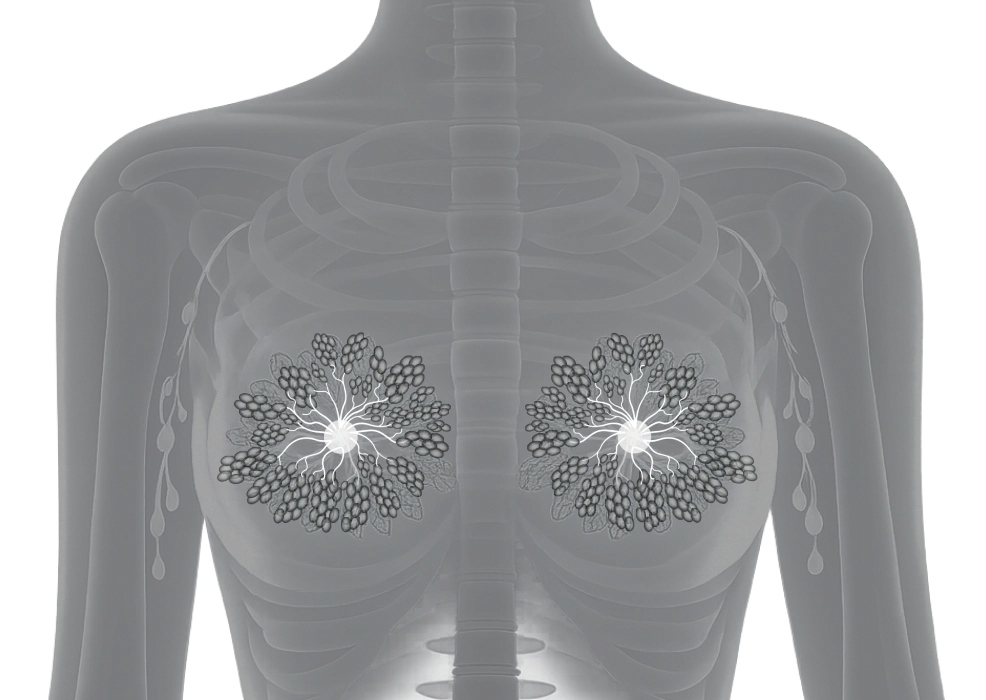
Breast cancer occurs when abnormal cells in the breast grow and divide uncontrollably, forming a tumour. Most breast cancers begin in either the milk ducts or the milk-producing lobules, although they can develop in other breast tissues.
Breast cancer is not a single disease. It can vary in its type, how quickly it grows and whether it has spread beyond the breast. The most common types include:
Ductal Carcinoma in Situ (DCIS)
Invasive Ductal Carcinoma (IDC)
Invasive Lobular Carcinoma (ILC)
How Is Breast Cancer Staged?
Stage
Stage
I
Stage
II
Stage
III
Stage
IV
What Are the Potential Signs of Breast Cancer?

What Are the Risk Factors for Breast Cancer?
While the exact cause of breast cancer is not always known, certain factors can increase your likelihood of developing the disease. Having one or more risk factors does not mean you will develop breast cancer, and many people diagnosed with breast cancer have no obvious risk factors.
Some risk factors cannot be changed, while others may be influenced by lifestyle choices or medical decisions.
Non-Modifiable Risk Factors
Modifiable Risk Factors
Can Breast Cancer Be Prevented?
Attend Regular Breast Cancer Screening
Maintain a Healthy Lifestyle
Know Your Family History
Be Familiar with Your Breasts
How Is Breast Cancer Detected and Diagnosed?
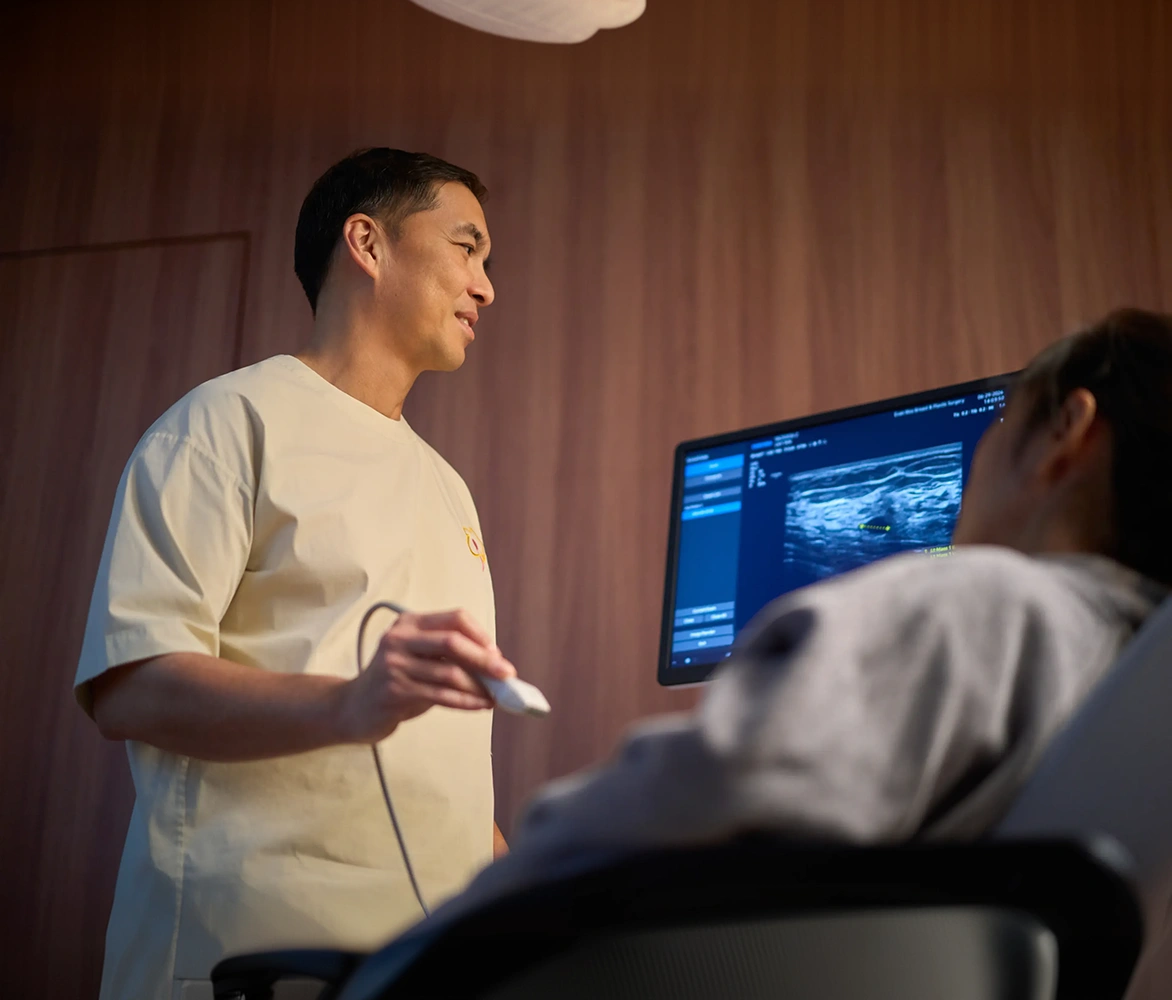
Breast cancer can be identified through screening or diagnostic evaluation, depending on whether you have symptoms.
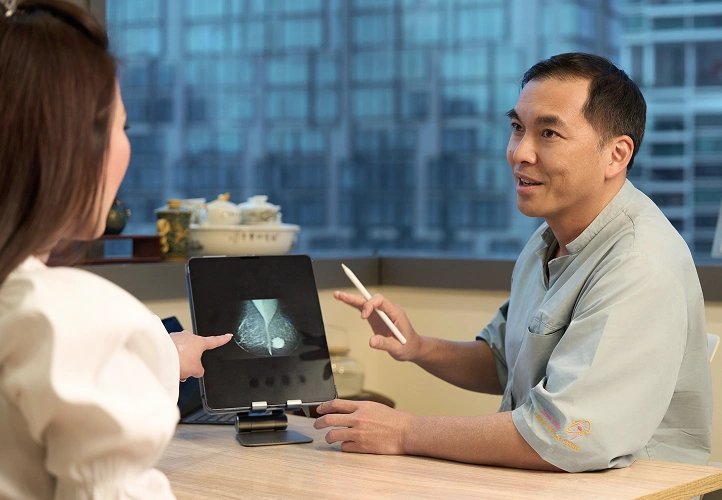
Breast cancer screening is recommended for people without symptoms to detect cancer at an early stage, when treatment is often simpler and more effective. Screening typically involves a mammogram and may be recommended based on your age or individual risk factors.
If you notice symptoms such as a breast lump, nipple discharge or changes in the breast, your doctor may perform a diagnostic evaluation to determine the cause.
What Are the Treatment Options for Breast Cancer?
Breast Surgery
Where appropriate, treatment planning extends beyond cancer removal alone. Dr Woo considers reconstructive options, nipple-sparing techniques and nipple sensation preservation from the outset whenever they are oncologically appropriate, helping patients understand both their immediate treatment options and their long-term outcomes before surgery takes place.
Non-Surgical Treatment
Why Patients Choose Dr Evan Woo for Breast Cancer Care

Dedicated Breast Cancer Expertise
Advanced Training in Breast Reconstruction
Reconstruction Considered From the Beginning
Continuity Under One Surgeon
Expert Care through Every Stage with Dr Evan Woo

FAQs About Breast Cancer
Is a breast lump always breast cancer?
No. Many breast lumps are benign (non-cancerous), such as cysts or fibroadenomas. However, any new or persistent breast lump should be assessed by a doctor to determine the underlying cause.
Can men develop breast cancer?
Yes. Although breast cancer is much less common in men, it can occur. Men should also seek medical attention if they notice a breast lump, nipple discharge or other unusual breast changes.
What is the survival rate for breast cancer?
Breast cancer outcomes have improved significantly due to advances in screening and treatment. When detected early, many patients can be treated successfully. Your prognosis depends on factors such as the type and stage of the cancer, as well as your overall health.
Is surgery always needed for breast cancer?
Surgery is a key component of treatment for many patients with early-stage breast cancer. However, the most appropriate treatment depends on the type and stage of the cancer and may also include chemotherapy, radiation therapy, hormone therapy or targeted therapy.
Can breast cancer come back after treatment?
Yes. Breast cancer can recur months or years after treatment. Regular follow-up appointments and breast imaging, where recommended, help monitor for recurrence and support your long-term health.
When should I start breast cancer screening?
The appropriate age to begin breast cancer screening depends on your individual risk factors, family history and national screening recommendations. Speak with your doctor to determine the most suitable screening schedule for you.

Our Breast Cancer Specialist
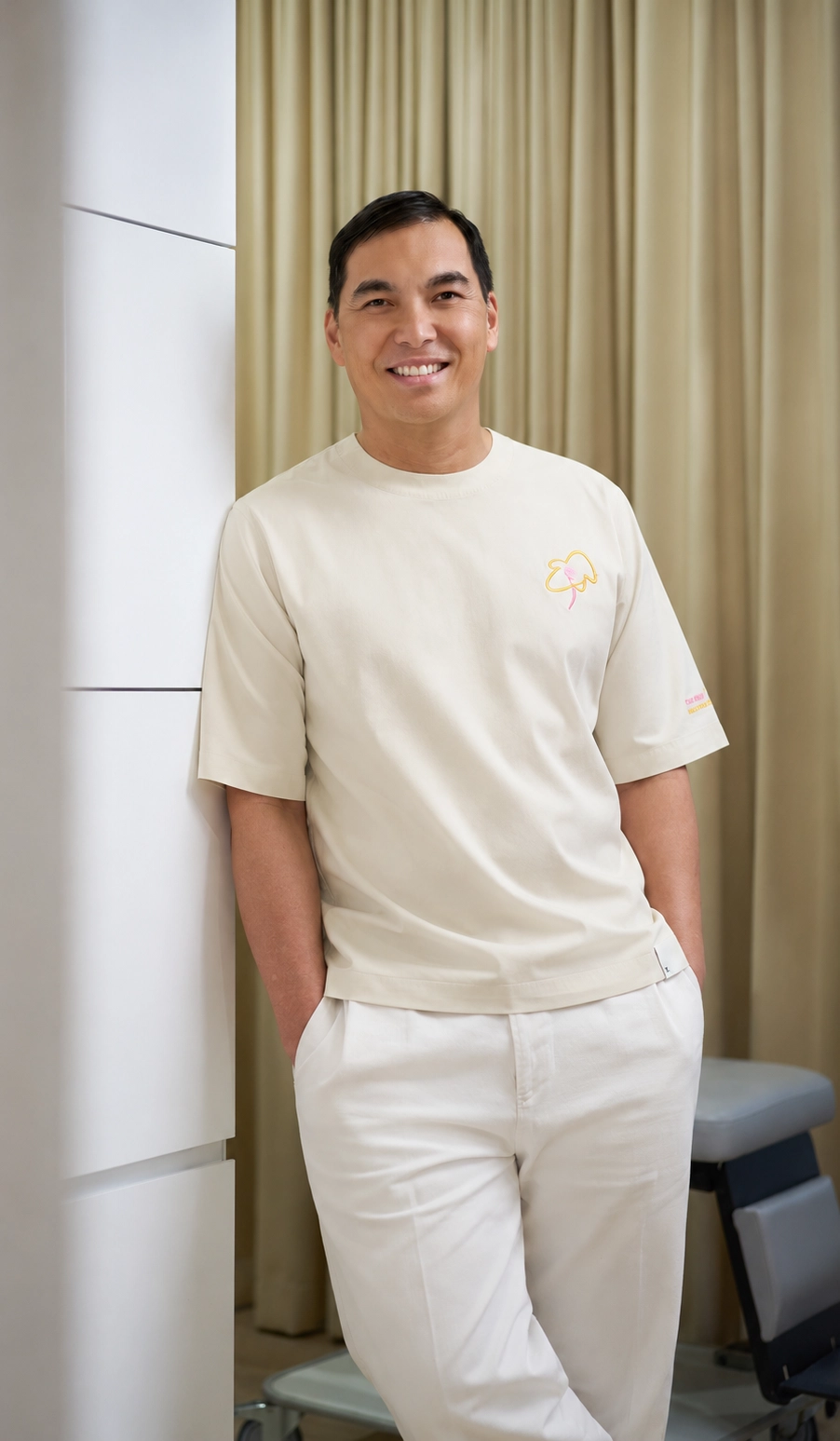
- Bachelor of Medicine, Bachelor of Surgery, National University of Singapore
- Master of Medicine (Surgery), National University of Singapore
- Member of the Royal College of Surgeons of Edinburgh
- Fellow, Academy of Medicine, Singapore (Plastic Surgery)