
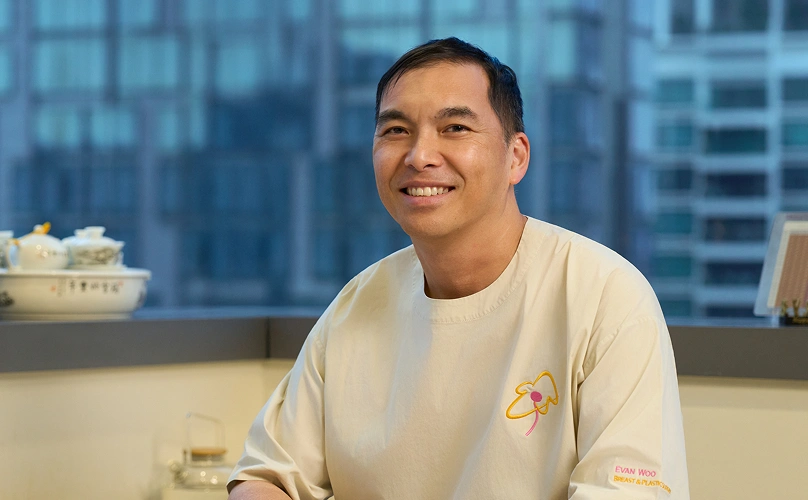
Portrait of Dr. Evan Woo, a plastic and reconstructive breast surgeon in Singapore.
Dr Evan Woo
Senior Consultant Breast and Plastic Surgeon
MBBS (Singapore), MMed (Surgery), MRCS (Edinburgh), FAMS (Plastic Surgery)
Your Guide to Breast Cancer Surgery
Breast cancer surgery plays a central role in the treatment of many breast cancers, but the most appropriate procedure varies from person to person. Factors such as the type and stage of the cancer, tumour size, breast size, overall health and personal preferences all influence the surgical approach.
Depending on your individual circumstances, surgery may involve removing the cancer while preserving as much of the breast as possible, or removing the entire breast when this offers the most appropriate treatment. Where appropriate, breast reconstruction may be planned as part of your overall treatment. Understanding the different surgical options can help you make informed decisions and prepare for discussions with your specialist.
At our clinic, Dr Evan Woo provides comprehensive surgical care for breast cancer, with expertise in both cancer surgery and breast reconstruction, allowing treatment and reconstructive options to be planned together where appropriate.
Make an Enquiry
Understanding Your Treatment

What Is Breast Cancer Surgery?

Breast cancer surgery removes cancerous tissue from the breast as part of breast cancer treatment. The primary aim is to remove the tumour while reducing the risk of the cancer recurring or spreading, where possible. Surgery is often one component of a broader treatment plan and may be combined with treatments such as chemotherapy, radiotherapy, hormone therapy, targeted therapy or immunotherapy, depending on the type and stage of the cancer.

While breast cancer surgery follows established treatment principles, no single operation is suitable for everyone. The most appropriate surgical approach is determined after carefully evaluating your cancer and discussing your treatment goals.
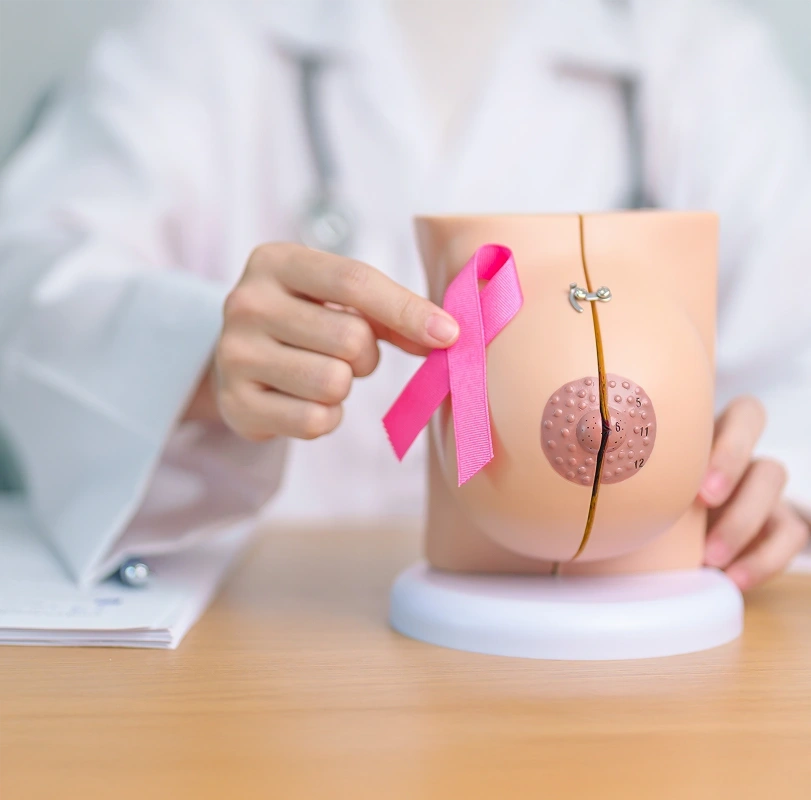
A medical doctor holding a pink ribbon next to an anatomical breast model during a breast cancer surgery consultation.
Treatment Planning

How Is Breast Cancer Surgery Planned?

Choosing the most appropriate breast cancer surgery involves balancing effective cancer treatment with preserving breast appearance where possible.
During your consultation, Dr Evan Woo evaluates several factors before recommending a personalised surgical plan, including:
  • The type, size and location of the tumour

  • Whether nearby lymph nodes are involved

  • Your breast size and anatomy

  • Whether breast reconstruction is appropriate

  • Whether there are multiple areas of cancer within the breast

  • Genetic factors that may influence future breast cancer risk

  • Your personal preferences and treatment goals

Once these factors have been assessed, Dr Woo will explain the surgical options available and recommend the approach most appropriate for your individual circumstances.
Dr Evan Woo Logo
Every Breast Cancer Diagnosis Is Different.
Dr Evan Woo works closely with each patient to develop a surgical plan tailored to their diagnosis, treatment goals and long-term outcome.
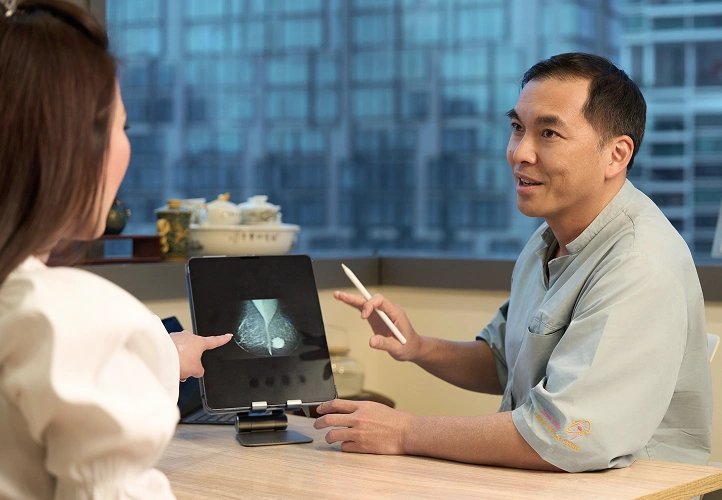
Dr. Evan Woo explaining mammogram scan results on a tablet to a female patient during a consultation.
Treatment Options

What Are the Types of Breast Cancer Surgery?

The recommended procedure depends on the characteristics of your breast cancer and the treatment plan developed during your consultation. Some procedures remove only the cancer while preserving the breast, whereas others involve removing the entire breast. Depending on whether lymph node involvement is suspected, surgery to assess or remove nearby lymph nodes may also be performed.

Breast-Conserving Surgery (Lumpectomy / Wide Local Excision)

Breast-conserving surgery, also known as a lumpectomy or wide local excision, removes the breast cancer together with a margin of healthy surrounding tissue while preserving the remainder of the breast. This option is commonly considered for patients with smaller, localised tumours where an adequate margin can be achieved without significantly affecting the breast's appearance.

Radiotherapy is usually recommended after breast-conserving surgery to reduce the risk of cancer returning within the breast.

Mastectomy

A mastectomy involves removing the entire breast to treat or reduce the risk of breast cancer. The type of mastectomy recommended depends on factors such as the size and location of the tumour, whether the skin or nipple is involved, and whether breast reconstruction is being considered.

Total (Simple) Mastectomy

A total mastectomy removes the entire breast, including the nipple, areola and most of the overlying skin. This procedure is commonly performed when the cancer is confined to the breast and preservation of the breast is not appropriate.

Skin-Sparing Mastectomy

A skin-sparing mastectomy removes the breast tissue, nipple and areola while preserving most of the breast skin. Preserving the skin can help achieve a more natural breast shape if reconstruction is planned. However, this approach is only suitable for selected patients and depends on factors such as the size and location of the tumour.

Nipple-Sparing Mastectomy

A nipple-sparing mastectomy preserves the breast skin together with the nipple and areola while removing the underlying breast tissue. For selected patients undergoing immediate breast reconstruction, specialised nerve-preservation or nerve-reconstruction techniques may also be performed to help preserve nipple sensation. Suitability depends on factors such as the location of the cancer, the anatomy of the nerves and whether preservation can be achieved safely.

Lymph Node Surgery

Some breast cancer operations also involve surgery to assess or remove lymph nodes in the armpit (axilla). Whether this is required depends on the type and stage of the cancer, imaging findings and biopsy results.

Sentinel Lymph Node Biopsy

A sentinel lymph node biopsy removes the first lymph node or nodes most likely to receive drainage from the breast. Examining these nodes helps determine whether the cancer has spread and whether additional lymph node surgery is required.

Axillary Clearance

Also known as an axillary lymph node dissection, axillary clearance involves removing a larger number of lymph nodes from the armpit when breast cancer has spread to these nodes or when more extensive assessment is required. Your surgeon will recommend this procedure only when it is clinically appropriate.

Surgery for Locally Advanced Breast Cancer

Patients with locally advanced breast cancer often require an individualised treatment plan. Depending on the extent of the cancer, treatment may begin with chemotherapy or other systemic therapies to shrink the tumour before surgery. The most appropriate operation is then planned based on the response to treatment and may involve breast-conserving surgery or a mastectomy, together with lymph node surgery and breast reconstruction where appropriate.
Procedure Comparison

Lumpectomy vs Mastectomy: Differences Explained

Choosing between a lumpectomy and a mastectomy depends on factors such as the size and location of the tumour, breast size, the presence of multiple tumours, genetic risk factors and your personal preferences. Both procedures aim to treat breast cancer effectively, but they differ in how much breast tissue is removed and the treatment that may follow.

Amount of breast removed
Lumpectomy
Removes the tumour and a margin of healthy tissue
Mastectomy
Removes the entire breast
When it may be recommended
Lumpectomy
Smaller, localised tumours where clear margins can be achieved
Mastectomy
Larger tumours, multiple areas of cancer, or when breast conservation is not suitable
Breast appearance
Lumpectomy
Most of the breast is preserved, although breast shape may change depending on the amount of tissue removed
Mastectomy
The breast is removed. Reconstruction may be considered immediately or at a later stage
Radiotherapy
Lumpectomy
Usually recommended after surgery
Mastectomy
May or may not be required, depending on the pathology findings
Hospital stay and recovery
Lumpectomy
Generally shorter recovery and less extensive surgery
Mastectomy
Recovery may be longer, particularly if reconstruction is performed
Cancer control
Lumpectomy
For appropriately selected patients, offers outcomes comparable to mastectomy when combined with radiotherapy
Mastectomy
Effective treatment for patients who require complete removal of the breast
Dr Evan Woo Logo
Choosing between a lumpectomy and a mastectomy is a highly individual decision.
Dr Evan Woo will explain the advantages and considerations of each approach based on your diagnosis, helping you make an informed treatment decision.
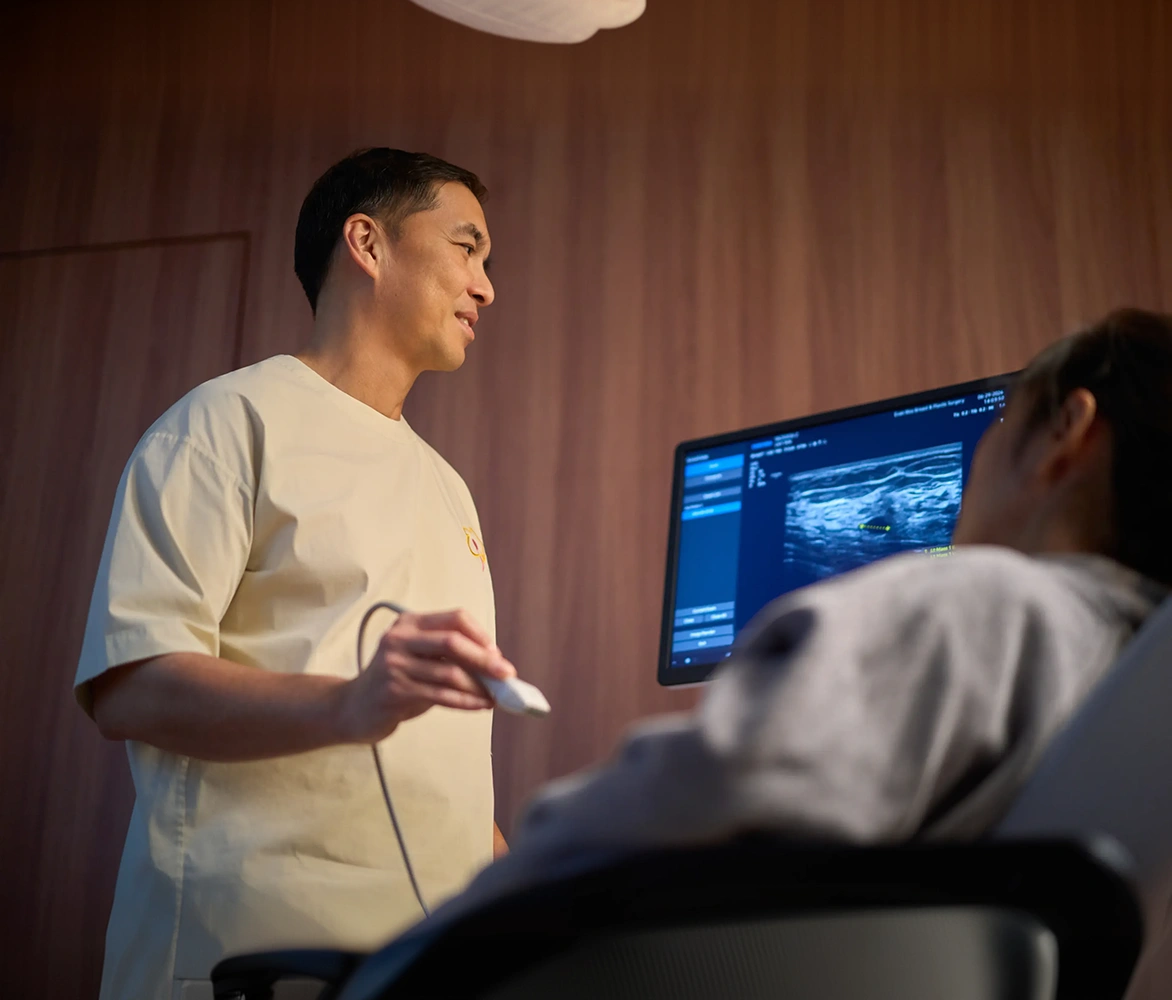
Dr. Evan Woo performing a breast ultrasound scan for a patient during a clinic consultation
Pre-Surgery Preparation

Preparing for Breast Cancer Surgery

Preparing for breast cancer surgery begins with a thorough assessment of your diagnosis and careful treatment planning. Before your procedure, you can generally expect the following:

Diagnosis and Assessment

Dr Evan Woo reviews your breast imaging, biopsy findings and cancer stage to confirm your diagnosis and determine the most appropriate treatment plan.

Treatment Planning

Your surgical options are discussed, including the most appropriate procedure for your diagnosis.

Preparing for Surgery

You will receive personalised instructions on medications, smoking cessation, fasting requirements and arranging support for your recovery.
If you have any questions before your procedure, Dr Evan Woo will address them during your consultation to help you feel informed and prepared.
What to Expect

What Happens During Breast Cancer Surgery?

Breast cancer treatment extends beyond the operation itself. Depending on your diagnosis, surgery may be one step within a broader treatment plan that includes additional therapies and, for some patients, breast reconstruction. Understanding the typical treatment journey can help you prepare for what to expect.

Anaesthesia
General anaesthesia is administered so you remain asleep and comfortable throughout the procedure.
Cancer Removal
Dr Woo removes the breast cancer while preserving as much healthy tissue as appropriate. Depending on your treatment plan, this may involve breast-conserving surgery or mastectomy.
Lymph Node Assessment
Sentinel lymph node biopsy or axillary lymph node dissection may be performed to determine whether the cancer has spread to nearby lymph nodes.
After the Procedure
You are monitored in the recovery area before being transferred to your hospital room. The length of your hospital stay depends on the type of surgery performed and your overall treatment plan. 
Post-Surgical Care

Recovery After
Breast Cancer Surgery

Recovery continues after you leave the operating theatre. Following surgery, your care focuses on healing, reviewing the pathology findings and determining whether additional treatment is required. Regular follow-up appointments also help monitor your recovery and support your long-term breast health.

Hospital Recovery
Depending on the type of surgery performed, you may return home the same day or remain in hospital for one or more nights.
Wound Care and Activity
Caring for your surgical wounds, following activity restrictions and attending follow-up appointments help support healing and recovery.
Pathology Results
The removed tissue is examined to confirm the diagnosis, assess whether the cancer has been completely removed and determine whether additional treatment is recommended.
Further Treatment
Depending on the pathology findings, treatments such as radiotherapy, chemotherapy, hormone therapy, targeted therapy or immunotherapy may be recommended as part of your overall care.
Breast Reconstruction and Symmetry Procedures
Breast reconstruction may be performed immediately or at a later stage, depending on your treatment plan. Where appropriate, additional procedures such as breast augmentation, breast lift (mastopexy) or breast reduction may also be considered to improve breast symmetry and restore balance following breast cancer treatment.
Dr Evan Woo Logo
Your Dedicated Partner Throughout Your Breast Cancer Journey
Dr Evan Woo provides comprehensive care from diagnosis through recovery, helping you navigate every stage of treatment with a personalised surgical plan.
Make an Enquiry
Dr. Evan Woo explaining mammogram scan results on a tablet to a female patient during a consultation.
Understanding the Risks

Risks and Potential Complications of Breast Cancer Surgery
As with any surgical procedure, breast cancer surgery carries potential risks. The specific risks vary according to the procedure performed and your individual treatment plan.
  • Bleeding and infection
  • Scarring
  • Delayed wound healing
  • Fluid collection (seroma)
  • Changes in breast or nipple sensation
  • Breast asymmetry or changes in breast appearance
  • Arm swelling (lymphoedema) following lymph node surgery
  • The possibility of further surgery if additional treatment or margin clearance is required
Dr Evan Woo carefully plans every breast cancer surgery based on your diagnosis, anatomy and treatment goals while prioritising cancer treatment, safety and long-term outcomes. He will discuss the potential risks relevant to your procedure and answer any questions during your consultation.
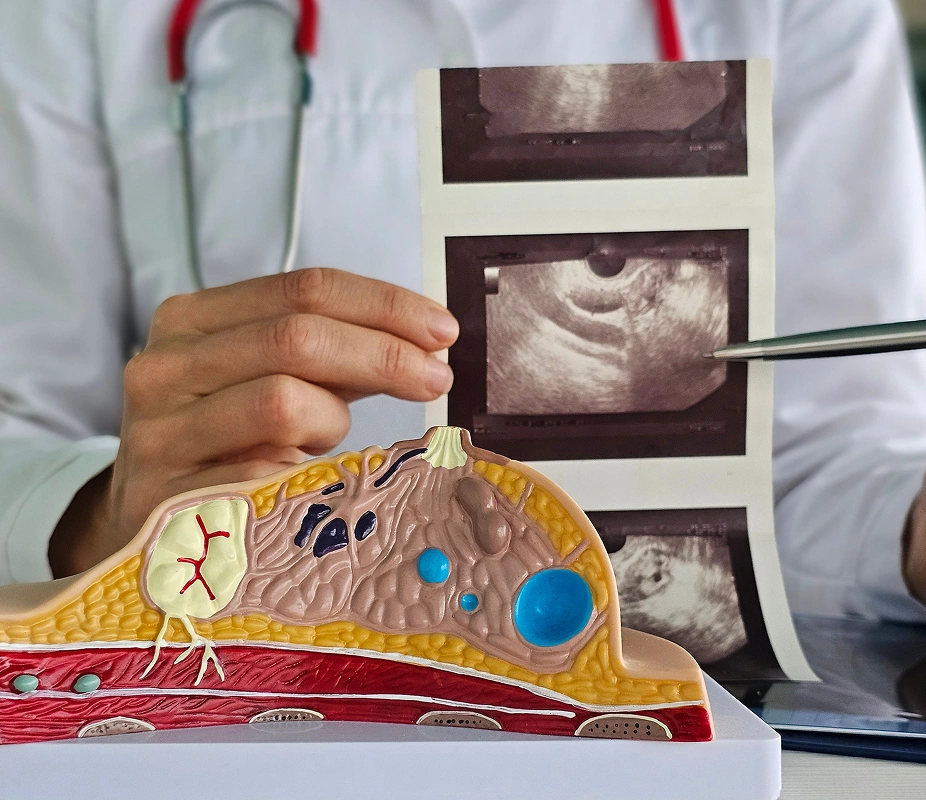
A doctor pointing to a breast ultrasound scan alongside a cross-section anatomical model during a breast cancer treatment planning consultation.
Trusted Breast Surgeon Expertise

Why Patients Choose
Dr Evan Woo for Breast Cancer Surgery

Tick icon

A Practice Devoted to Breast Surgery

Dr Woo's practice focuses on breast cancer surgery, breast reconstruction and aesthetic breast surgery. His specialised expertise allows treatment plans to be tailored to each patient's diagnosis, anatomy and treatment goals.
Tick icon

Treating Cancer and Restoring the Breast

As both a breast and plastic surgeon, Dr Woo considers oncological treatment alongside reconstructive options from the beginning. This integrated approach helps patients understand how surgical decisions may influence both cancer treatment and breast restoration.
Tick icon

Advanced Fellowship Training in Breast Reconstruction

Dr Woo completed a Microsurgery Fellowship at the Nottingham Breast Institute in the United Kingdom, where he received advanced training in breast reconstruction following breast cancer surgery. This experience supports a comprehensive approach to both cancer treatment and reconstruction.
Tick icon

Personalised Care Throughout Your Treatment Journey

From your initial consultation and surgical planning to post-operative follow-up, Dr Woo provides continuity of care at every stage, ensuring treatment recommendations are aligned with your individual needs and long-term recovery.
Your Journey Starts Here

Comprehensive Breast Cancer Care at Evan Woo Plastic Surgery

Breast cancer surgery is about more than removing a tumour. Decisions made during surgical planning can influence the treatment you receive, the reconstructive options available and your long-term outcome. Considering these aspects together from the outset helps ensure your treatment is tailored to your individual diagnosis and priorities.
At Evan Woo Plastic Surgery, breast cancer surgery is planned with both the immediate treatment and the longer-term outcome in mind. Led by Dr Evan Woo, a specialist plastic, reconstructive and breast surgeon, the clinic provides comprehensive surgical care spanning breast cancer surgery, breast reconstruction and aesthetic breast surgery. If you have been diagnosed with breast cancer or would like to understand your surgical options, schedule a consultation with Dr Evan Woo to discuss a personalised treatment plan.
Helpful Information

FAQs About Breast Cancer Surgery

Is breast-conserving surgery as effective as a mastectomy?

For appropriately selected patients with early-stage breast cancer, breast-conserving surgery followed by radiotherapy has been shown to provide outcomes comparable to a mastectomy. The most appropriate option depends on factors such as the size and location of the tumour, breast size and your individual treatment plan.

Will I need breast reconstruction after a mastectomy?

Not necessarily. Breast reconstruction is a personal choice and is not medically required for every patient. Depending on your diagnosis and treatment plan, reconstruction may be performed immediately during the same operation or delayed until after other cancer treatments have been completed.

How long does it take to recover from breast cancer surgery?

Recovery varies depending on the type of surgery performed and whether breast reconstruction or lymph node surgery is also carried out. Many patients can gradually resume light daily activities within a few weeks, although more extensive procedures may require a longer recovery period. Dr Woo will provide recovery guidance based on your individual surgery.

Will I need additional treatment after breast cancer surgery?

Some patients require additional treatment after surgery, while others do not. This depends on the pathology findings, including the type and stage of the cancer, lymph node involvement and other tumour characteristics. Additional treatment may include radiotherapy, chemotherapy, hormone therapy, targeted therapy or immunotherapy.

Can breast cancer come back after surgery?

Breast cancer surgery aims to remove the cancer completely, but there remains a possibility of recurrence in some patients. The risk depends on factors such as the type and stage of the cancer and whether additional treatments are recommended. Regular follow-up appointments are important for monitoring your recovery and long-term breast health.

Can I claim insurance for breast cancer surgery?

Many breast cancer surgeries may be claimable under Medisave and eligible health insurance plans, depending on your diagnosis, policy coverage and the procedure performed. Our team can assist with Medisave and insurance-related enquiries, including pre-authorisation requirements and supporting documentation, to help make the claims process as smooth as possible. We recommend checking your coverage with your insurer before surgery.
Experience You Can Rely On
Our Breast Cancer Surgeon
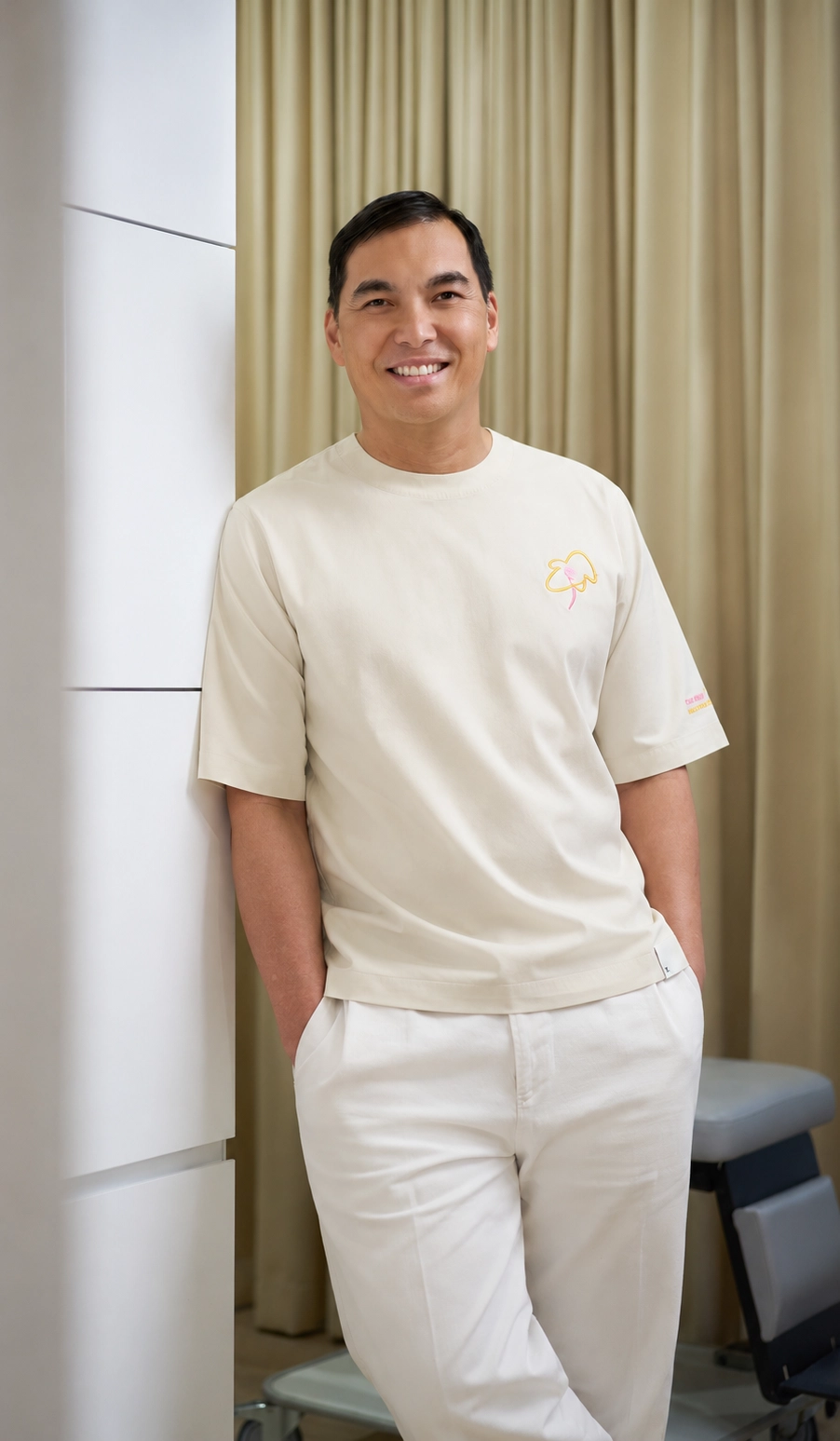
Dr Evan Woo
Senior Consultant Breast and Plastic Surgeon
  • Bachelor of Medicine, Bachelor of Surgery, National University of Singapore
  • Master of Medicine (Surgery), National University of Singapore
  • Member of the Royal College of Surgeons of Edinburgh
  • Fellow, Academy of Medicine, Singapore (Plastic Surgery)
Dr Evan Woo is a specialist plastic, reconstructive and breast surgeon with a focused practice in breast cancer surgery, breast reconstruction and aesthetic breast surgery. Having completed specialist training in Singapore and a Microsurgery Fellowship at the Nottingham Breast Institute in the United Kingdom, he provides comprehensive surgical care for patients with breast cancer, from diagnosis and treatment planning to surgery and breast reconstruction.
His expertise in both breast cancer surgery and reconstructive plastic surgery allows oncological and reconstructive priorities to be considered together from the outset. Whether performing breast-conserving surgery, mastectomy or immediate breast reconstruction, Dr Woo develops personalised treatment plans that balance effective cancer treatment with each patient’s anatomy, preferences and long-term quality of life.
More About Dr Evan Woo
Planning for the Best
Outcome Starts Today.
Begin with a consultation shaped by dedicated breast expertise, meticulous planning and a commitment to achieving the best possible outcome.
Prefer
WhatsApp?
Dr Evan Woo holding silicone breast implants during a consultation with a patient in Singapore
Book a consultation
Dr. Evan Woo Profile Picture
Dr Evan Woo
Senior Consultant Breast and Plastic Surgeon